Private hospitality experience across distinct markets, property formats and operating conditions.
PAPennsylvania
FLFlorida
CACalifornia
NYNew York
NJNew Jersey
30+ properties across the wider operating experience
Experience is presented in aggregate. Individual property identities and records remain confidential.
What we believe
Technology should handle the digital work. People should have time for hospitality.
We believe the most useful technology gives attention back to the team. It takes care of repeatable administration, keeps information connected and surfaces the exceptions that need judgment — so people can notice, anticipate and care.
01 / THE DIGITAL LAYER
Automate the routine.
Reservation updates, scheduled messages, task creation, status checks, reconciliations and reporting — configured around validated rules and reliable data.
Shared context. Clear handoffs.
02 / THE HUMAN LAYER
Make room for care.
A warm welcome, thoughtful recommendations, situational judgment, empathy and service recovery. The moments when being understood matters more than another automated response.
Automation earns trust through verification. Every exception needs a visible owner and a practical way forward.
The price changes. The principle holds.
A $50 stay. A $1,000 stay. The same respect.
The experience should feel considered at every price point.
A great budget stay and a great luxury stay have different spaces, amenities and service models. Each should deliver its promise with care. We design the operation around the guest, the product and the resources available.
THE FOUNDATIONCleanliness. Safety. Clarity. Dependability.
The essentials deserve deliberate standards in every segment.
THE SERVICE ENVELOPEScale the offer to the property.
Touchpoints, staffing, amenities and personalization should fit the rate, the guest and the operating economics.
Illustrative nightly price points, not ASMI service pricing.
The ASMI operating model
The architecture behind a better stay.
Follow the layers as you scroll. Each connects a guest outcome to the systems, people and standards that make it possible.
01
Positioning & experience design
Start with the stay we would want for ourselves.
Before selecting software or writing a procedure, define what a good stay means for this guest, in this property, at this price point. We begin with the guest’s needs, the friction they might encounter and the promise the operation can consistently keep.
THE GUEST SHOULD FEEL
“I understand what I am booking — and it feels right for my trip.”
Illustrative operating designasmi.
RestClarityCareTrust
THE STARTING POINTThe guest.How would we want to feel?
Clarify who the property serves, why they choose it and what matters most during the stay.
Product truth
Make room attributes, amenities, limitations, access and policies explicit before payment.
The service envelope
Define what is included, what is optional and how guests reach help at every stage.
THE OUTCOMEA guest promise the whole business can deliver.
02
Frontstage & backstage design
Design the experience and the work behind it together.
Every visible moment has an invisible dependency. A smooth arrival relies on accurate reservations, a genuinely ready room, a working access method and a team that knows the context. A service blueprint connects those dependencies before they become guest problems.
THE GUEST SHOULD FEEL
“Everything I need is ready when I need it.”
Illustrative operating designasmi.
Before arrivalArrivalDuring the stayDeparture
FRONTSTAGE / WHAT THE GUEST EXPERIENCES
Know the planFeel welcomeGet useful helpLeave with ease
Line of visibility
BACKSTAGE / WHAT MAKES IT POSSIBLE
Confirm detailsVerify readinessOwn the requestClose the stay
01Before arrival
Guest experience
Know the plan
Behind the scenes
Confirm details
02Arrival
Guest experience
Feel welcome
Behind the scenes
Verify readiness
03During the stay
Guest experience
Get useful help
Behind the scenes
Own the request
04Departure
Guest experience
Leave with ease
Behind the scenes
Close the stay
Operating logic
Touchpoint → owner → readiness criteria → handoff
Frontstage
Map the moments the guest experiences: discovery, booking, arrival, the stay, departure and return.
Backstage
Connect housekeeping, maintenance, payments, inventory and communications to each moment.
Acceptance criteria
Define when a task or room is actually ready, who verifies it and what blocks release.
THE OUTCOMEA connected journey with no unowned handoffs.
03
Systems of record & workflow automation
Let the systems do the system work.
Technology should reduce the copying, chasing and screen-switching that pull people away from hospitality. We design a clear digital backbone: each record has a home, each integration has a purpose, and routine events trigger useful next actions.
THE GUEST SHOULD FEEL
“I do not have to repeat myself or navigate the hotel’s internal systems.”
Define which platform owns reservations, payment records, room status, guest requests and workforce tasks.
Event-driven workflows
Use reservation changes, arrival dates, room status and service requests to trigger the right task or communication.
Exception handling
Detect failed syncs, missing information and overdue work; route them to an accountable person with a usable fallback.
THE OUTCOMELess digital administration. More attention available for the guest.
04
Ownership, enablement & shift continuity
Give people clarity, context and room to care.
A process works when the person using it knows what matters, what they can decide and when to escalate. The operating model translates the guest promise into role-based standards, practical training and a management rhythm that survives a shift change.
THE GUEST SHOULD FEEL
“Whoever helps me understands the situation and takes responsibility.”
Illustrative operating designasmi.
ONE REQUEST. CLEAR RESPONSIBILITY.Someone owns the outcome.
PRIMARYNamed ownerExecutes & follows up
BACKUPShift supportMaintains continuity
ESCALATIONDuty managerResolves exceptions
Context travels with the request, from one shift to the next.
Operating logic
Named owner → clear authority → equipped team → continuity
Decision rights
Assign a primary owner, backup and escalation route. Define the service-recovery decisions each role may make.
Competency-based onboarding
Move from learning to supervised practice and observed sign-off, supported by a maintained knowledge base.
Structured handovers
Transfer open requests, arrivals, room issues and financial exceptions with context and a next action.
THE OUTCOMEA confident team with continuity between every shift.
05
Service execution & recovery
Make the guest feel looked after, not processed.
The purpose of the architecture is a real stay: an easy arrival, a clean and comfortable room, useful information and help that follows through. Automation supports those moments. Human attention gives them meaning, especially when the stay does not go to plan.
THE GUEST SHOULD FEEL
“They noticed what I needed — and made sure it was taken care of.”
Illustrative operating designasmi.
AN ILLUSTRATIVE SERVICE MOMENT
How is everything in your room?
It feels a little too warm.
We’ll check it and make sure you’re comfortable.
01AcknowledgeFront desk takes ownership
02CoordinateThe right person acts
03Check backConfirm the guest is comfortable
Operating logic
Notice → respond → coordinate → resolve → check back
Thoughtful anticipation
Use relevant preferences and stay context to prepare useful help, while respecting the guest’s privacy and independence.
Service recovery
Acknowledge the problem, take ownership, coordinate a realistic remedy and keep the guest informed.
Verified resolution
A completed task is an internal state. A resolved guest need is the outcome we must check.
THE OUTCOMEA stay that feels personal, dependable and easy.
06
Quality assurance & continuous improvement
Turn the last stay into a better next stay.
Reviews, inspections, service requests and team observations are operating intelligence. We bring them into a closed loop: identify the pattern, understand its cause, change the process and verify whether the guest experience improved.
THE GUEST SHOULD FEEL
“The property listens — and the same problem does not keep happening.”
Illustrative operating designasmi.
A better next stay.
01ListenFind the signal02DiagnoseUnderstand the cause03ChangeImprove the process04VerifyCheck the result
Feedback → root cause → corrective action → verification
Voice of the guest
Combine honest feedback with front-line staff insight and the actual sequence of events.
Corrective action
Prioritize by guest impact, recurrence and effort; assign an owner and change the underlying standard, system or physical condition.
Management review
Track whether issues recur, whether the new approach works and what the next operating cycle should address.
THE OUTCOMEA living operating model that gets better with use.
What holds the model together
Eight disciplines. One coherent operation.
Hospitality architecture is the way the guest product, physical asset, service design, people, data and commercial model fit together. These are the questions we bring to that design.
01
Product integrity
Promise-to-delivery alignment
Room information, photography, pricing conditions and the actual stay describe the same product. Positioning sets a promise the property can keep; operations makes it repeatable.
Does what we sell match what the guest receives?
02
Operational readiness
Quality gates & asset stewardship
Room release depends on defined cleaning and inspection standards. Preventive maintenance, inventory par levels and vendor accountability protect the physical product between stays.
Is the room ready by evidence, or only by status?
03
Data & control
Record ownership & auditability
Define authoritative records, role-based access, required information and a traceable history of meaningful changes. Reconcile exceptions where reservations, payments and operational records meet.
Can the team trust the information in front of them?
04
Resilient automation
Observability & human fallback
A workflow includes failure detection, retry or review rules, escalation and a manual path. Digital check-in or NFC/mobile access must remain usable when connectivity or a provider fails.
Who knows when the automation has not worked?
05
Workforce capability
Decision rights & knowledge operations
Role scorecards, maintained SOPs, practical coaching and observed competency support independent work. AI-assisted learning should reference approved material and send uncertain cases to a person.
Can this person deliver the standard without guessing?
06
Service assurance
Recovery & closed-loop verification
Give each request an owner, a priority and a visible next action. Recovery decisions have clear authority, and completion is checked from the guest’s perspective.
Has the guest’s need been resolved, or has the ticket been closed?
07
Commercial durability
Contribution & cost-to-serve
Review net channel contribution, labor deployment, cost per occupied room and ancillary-service margins alongside quality. A service promise needs an operating model that can sustain it.
Can we deliver this experience consistently at this price?
08
Trust & governance
Privacy, safety & operating boundaries
Use only the guest information needed for the task. Make consent, access, retention, safety responsibilities and escalation explicit. Assign regulatory and specialist work to the right qualified parties.
Are the guest, the team and the property properly considered?
Measure what the guest can feel
From activity to operating evidence.
We define each measure, its owner and its review cadence before relying on a dashboard. A status label needs to mean something in the real property.
Guest outcome
Operating discipline
Evidence to review
A room that is ready
Readiness gates & inspection
Inspection completion, first-pass acceptance and repeat defects
Help that follows through
Request ownership & service recovery
First response, resolution time, reopened cases and guest follow-up
Consistent care across shifts
Training & structured handover
Observed competency, unresolved handovers and repeated process errors
A reliable booking journey
Distribution & data quality
Mapping errors, failed syncs, booking exceptions and folio discrepancies
An experience that lasts
Quality & commercial sustainability
Recurring review themes, preventive maintenance and cost-to-serve
A framework for selecting measures. Targets are set for the property and its service promise.
CityNest New York · Documented project
Shaped by operating experience
A philosophy with practical roots.
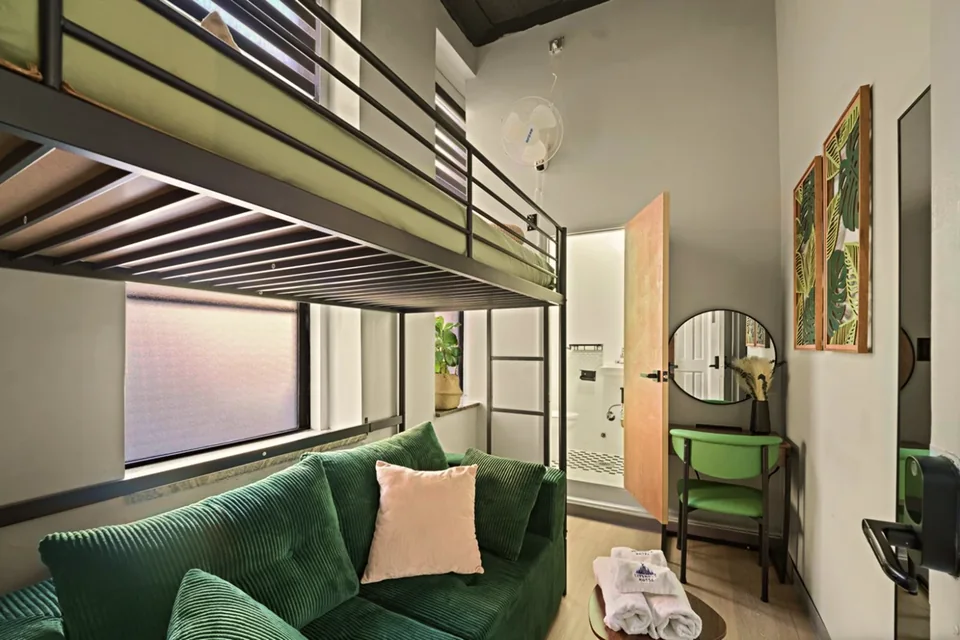
The CityNest work brings this thinking into a real hotel: room-product clarity, an explicit operating model, role-based front desk procedures and a connected digital guest journey.
That experience informs the method. Each new property needs its own service blueprint, staffing logic, systems and standards — designed for its guests, its building and its economics.